Egon Schiele (1890–1918) – 28 Years of Absolute Genius and Life
Schiele lived for 28 years, and he had every right to believe in his own genius, in his own greatness, a greatness that many would argue was born out of the horror of the human soul.
Schiele’s life, his so very short life, was a life that many important artists never managed to live, even though they died at a very old age. Because life, beyond random events, is a series of choices, most of them conscious, whether we admit it or not. Schiele lived for 28 years, and he had every right to believe in his own genius, in his own greatness, a greatness that many would argue was born out of the horror of the human soul.
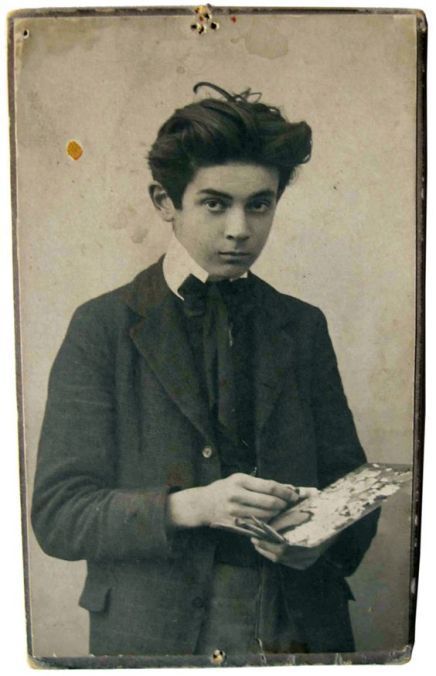
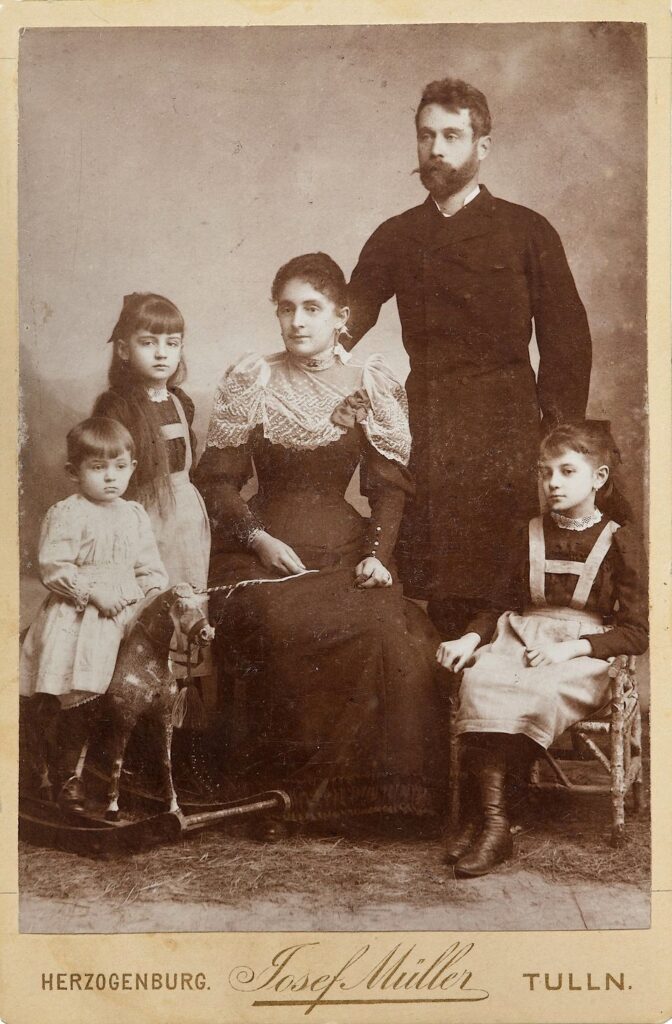
He was born in Tulln, Austria, in 1890. The only boy in the family, with a stationmaster father who had corresponding dreams for his son, a mother he never truly connected with, and three sisters, one of whom died very young, an older one who is barely mentioned in the artist’s life, and the youngest, Gertrude, with whom Egon would develop a relationship that went as far as the incestuous.
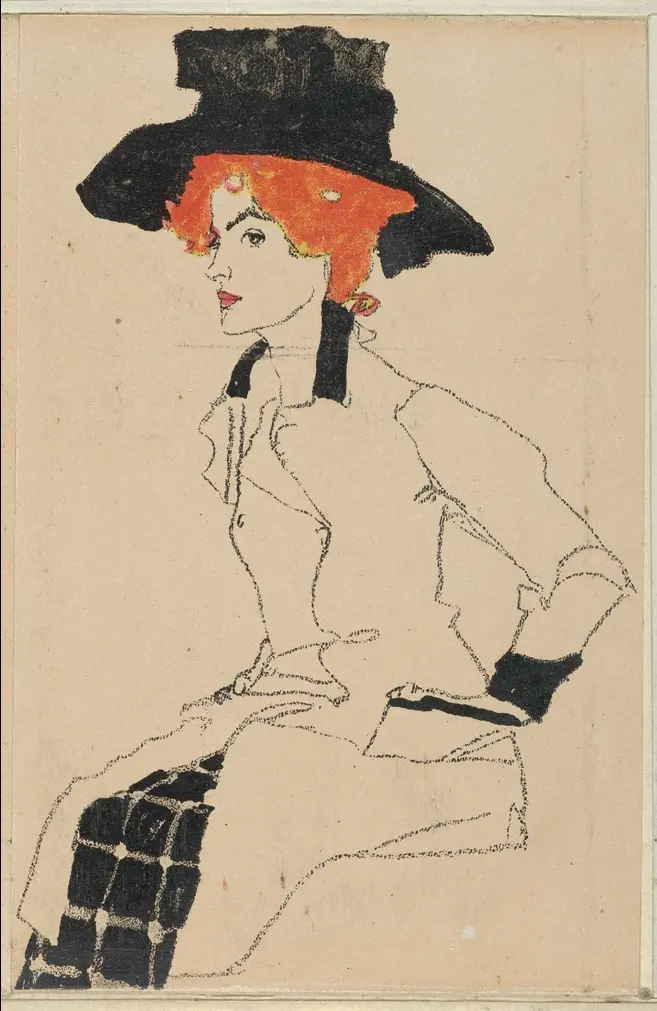
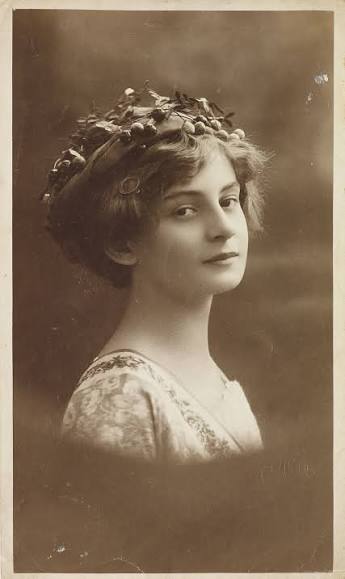
They even went so far as to spend a night together in another city, travelling on the cheap tickets available to orphans, after his father died in 1905 from syphilis and Spanish flu. He became the only man left in the family, and already all of this was enough to awaken the narcissistic disorder, the intensely peculiar Schiele.
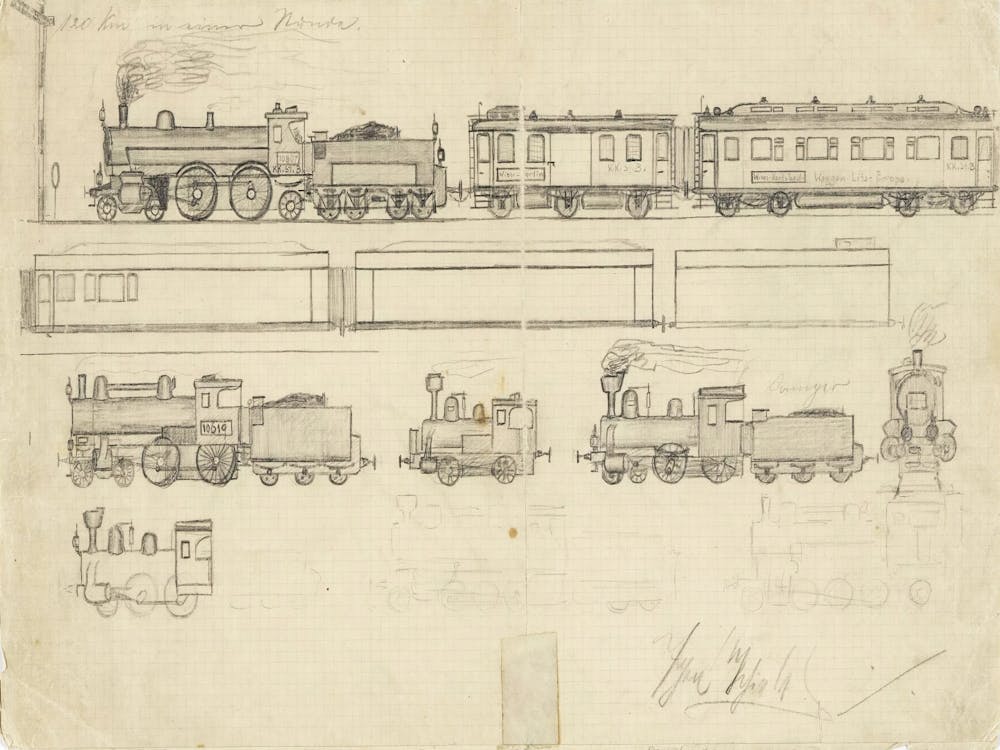
In casual discussions of his work, Freud’s theories seem to find their living examples. There is, however, no reliable source referring to any actual influence of the famous doctor on Schiele. A wealthy uncle took on the role of semi-guardian and, with a heavy heart, allowed the 16-year-old Schiele to apply for a place at the Academy of Fine Arts in Vienna. He won his place with seemingly no effort at all and, even today, remains one of the youngest students ever to have attended.
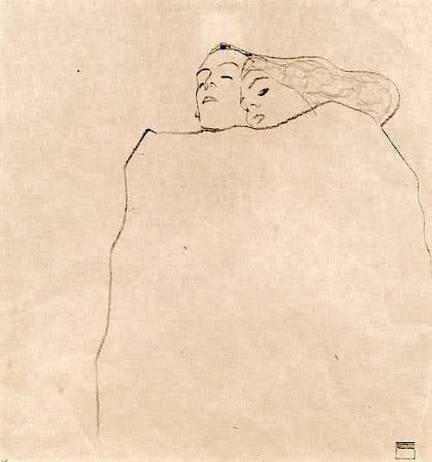
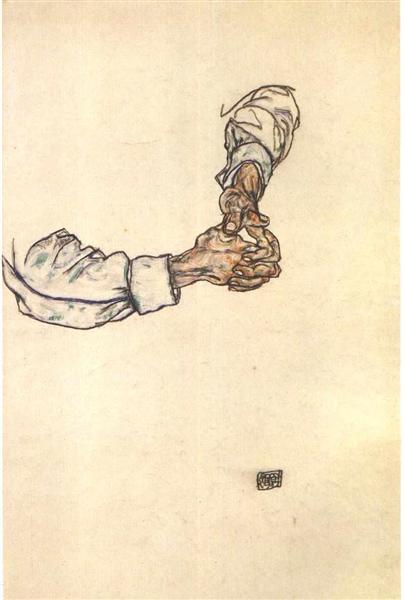
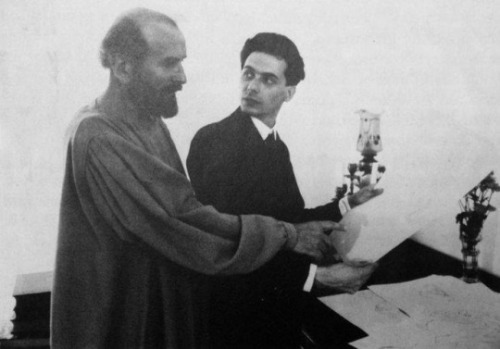
The following year, while academically he was hardly excelling, he met the man who would later become his mentor and friend, the already established Gustav Klimt. In 1909, at the age of 19, he left the Academy and, together with others, founded the Neukunstgruppe, drafting a statement addressed to the academics and criticising — someone had to! — their teaching methods and the classical standards being taught. These prisons did not suffocate Schiele, and yet he respected and understood them to such a degree that he had every right to criticise them and move beyond them so quickly.
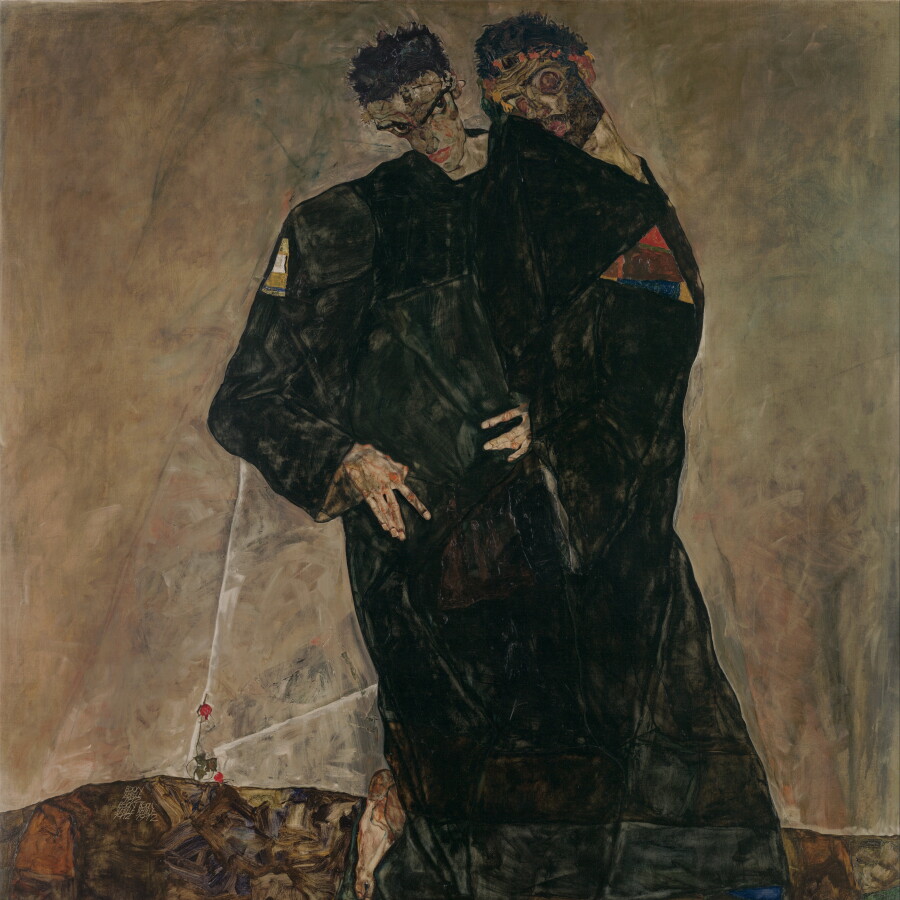
With his persistent attraction to younger girls, he began creating his radical, almost disturbing nudes. Gertrude appears in many of them, while Schiele himself, using a mirror as his instrument, depicts his own body in a constant struggle between dissatisfaction, emotion and intense sexuality, all experienced by him within a kind of sacredness. Those who came later would agree. Schiele’s nudes carry the sacredness of the human soul without disguised details or beautification.
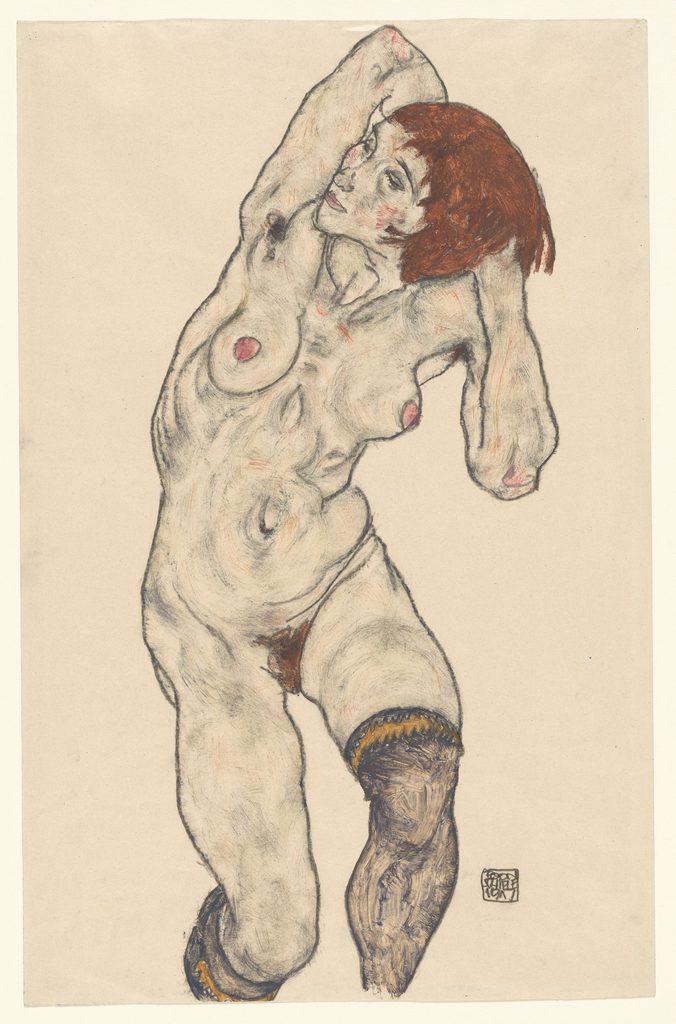
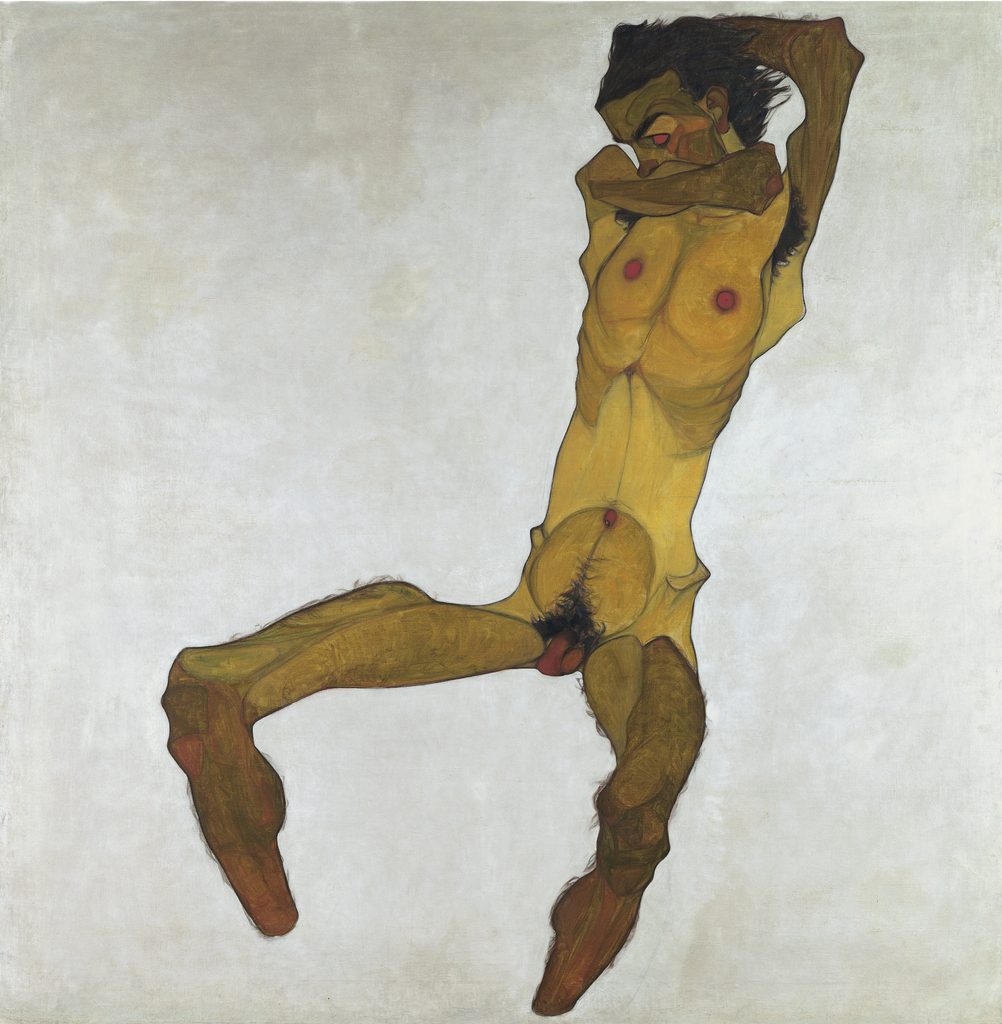
In 1911, he met Wally Neuzil, a 17-year-old girl who was destined to become his muse, manager, lover and housekeeper for the next three years. Two years later, the Harms sisters moved in opposite his studio. He became fascinated by both of them. He would eventually marry Edith, ask Wally to remain his mistress, she would leave him, and he would remain married to Edith while occasionally becoming the lover of her sister, Adele.
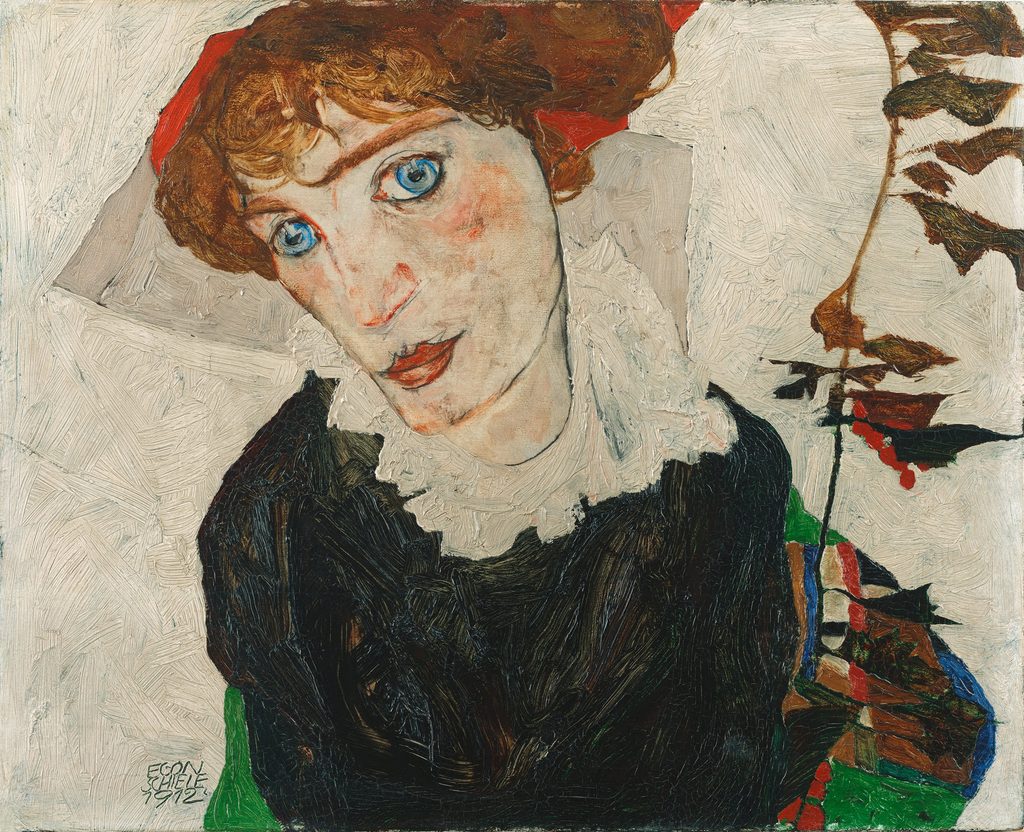
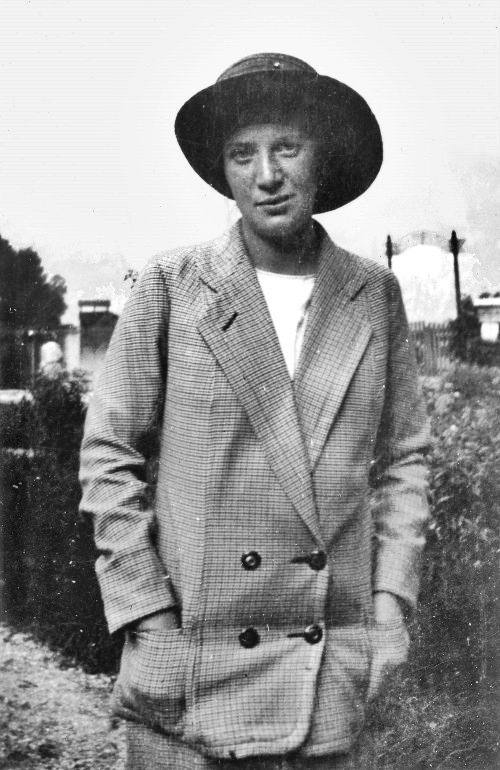
From his separation from Wally would come works that connect life with vitality and love with death. Absolute works, works that still shock today because of the way that, through lines and colours, we humans can read the “human” more clearly. And ultimately, this is where art meets love, where life meets death. It is something deeply personal, and only you can give these things their names, because they live inside you. This is the fundamental ability of genius: to name and describe, to build an entire language around the things that the rest of us inevitably experience without having the ability to explain them any further.
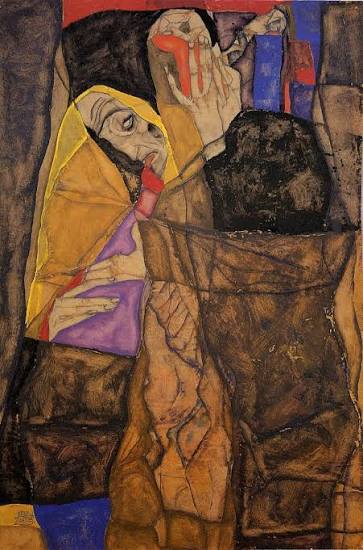
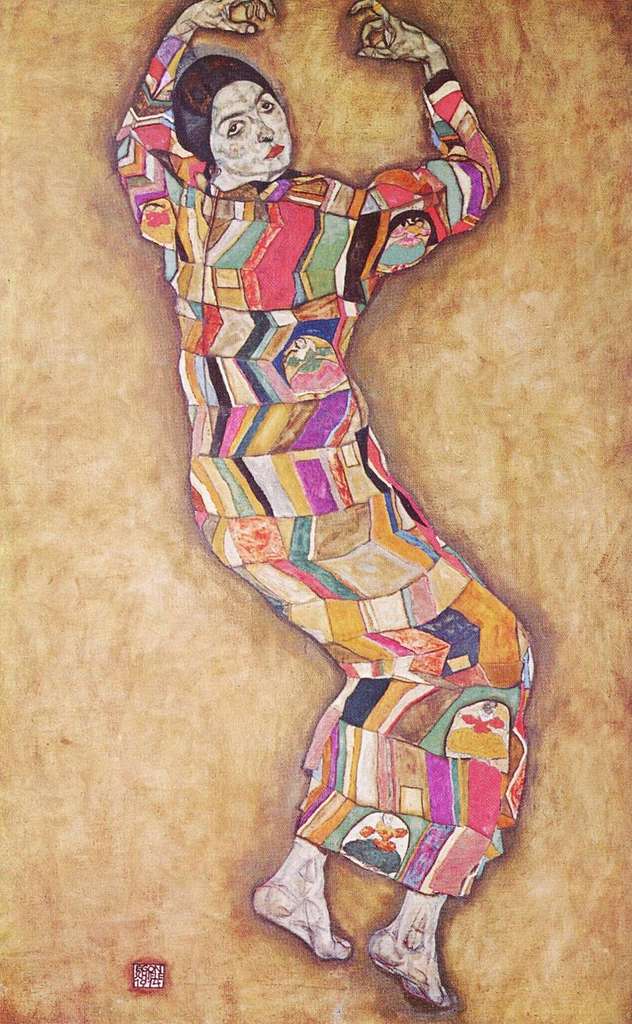
By 1917, Schiele had risen to prominence and his reputation had travelled throughout almost all of Europe. The war, the brutal First World War, did not stop him. If anything, during those bleak years he produced some of his most beautiful works. In 1917, Wally died of scarlet fever; since their separation, they had never met again. In 1918, Klimt died, and Schiele inherited the mantle of the great Viennese master. That same year, Edith died of influenza together with the six-month-old baby she was carrying, and three days later Schiele himself faded away.
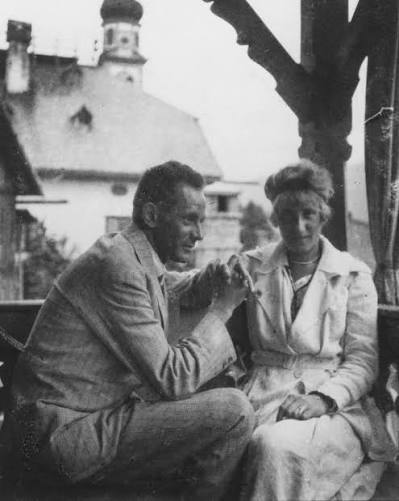
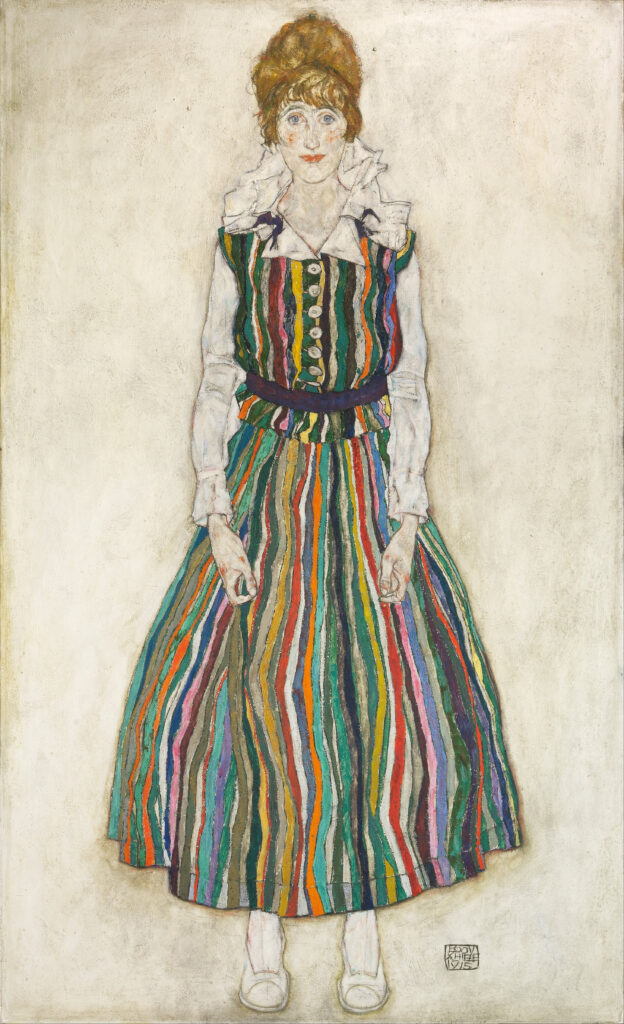
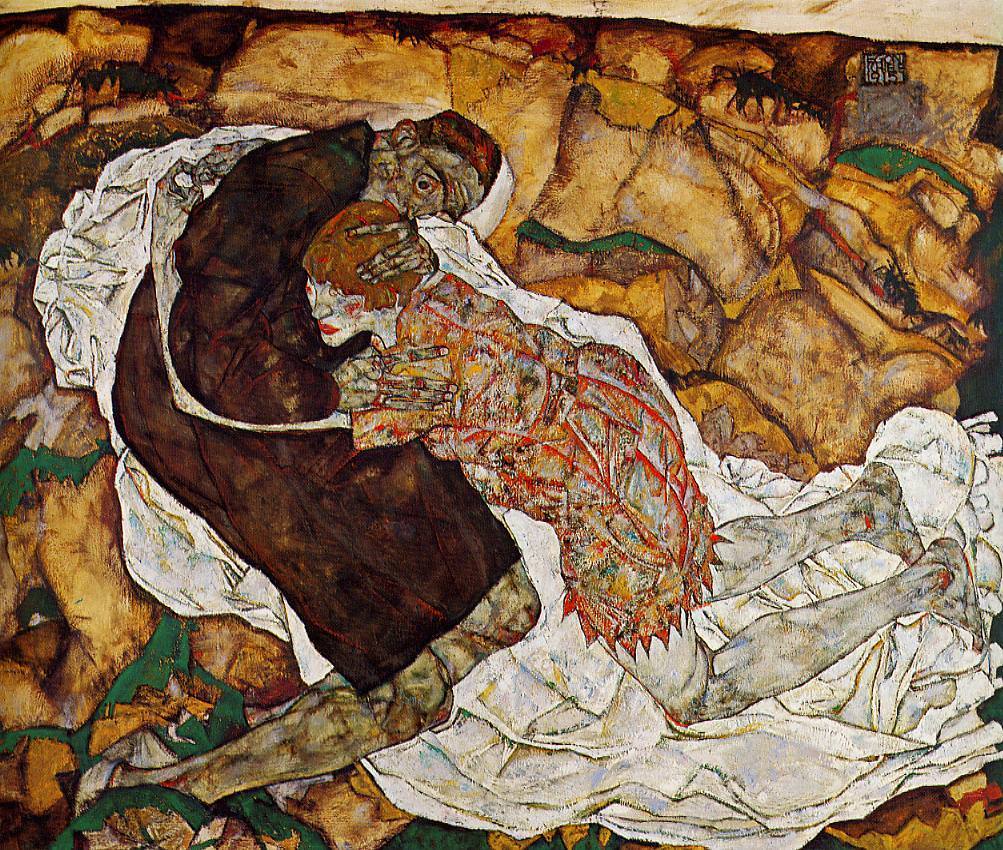
He left critics and commentators very little room to speak, analyse or even approve. He consciously chose his own life, one filled with passion and pain. He did not go mad, he was not institutionalised; instead, he evolved so much and so quickly, almost swept along by his own life. Across his countless works and sketches, Schiele wondered whether beauty could coexist with guilt, instinct with what society considers taboo, life itself with death. It is as though he remained suspended in that space just before the answer, celebrating the moment. And because life is 70% pain (an indicative percentage, although in Schiele’s life it may well have been even higher) he managed to take that pain, that ugliness, that illness, and allow the modern European “self” to taste them, to seek them out, to let them enter the respectable drawing rooms of society and, even more, to push us towards lying down on couches in search of a satisfaction within death and an arrogance within satisfaction.
Schiele taught loveless Europeans the essence of emotion, and Expressionism itself.
Rima Lyma
- SHARE