Edvard Munch | The Painter of the Human Soul
On 12 December 1863, Edvard Munch was born in Oslo. Best known as the creator of The Scream, he was also the artist behind more than 80 self-portraits and one of the earliest creators to turn the gaze inward—arguably one of history’s first artistic “selfie” makers.
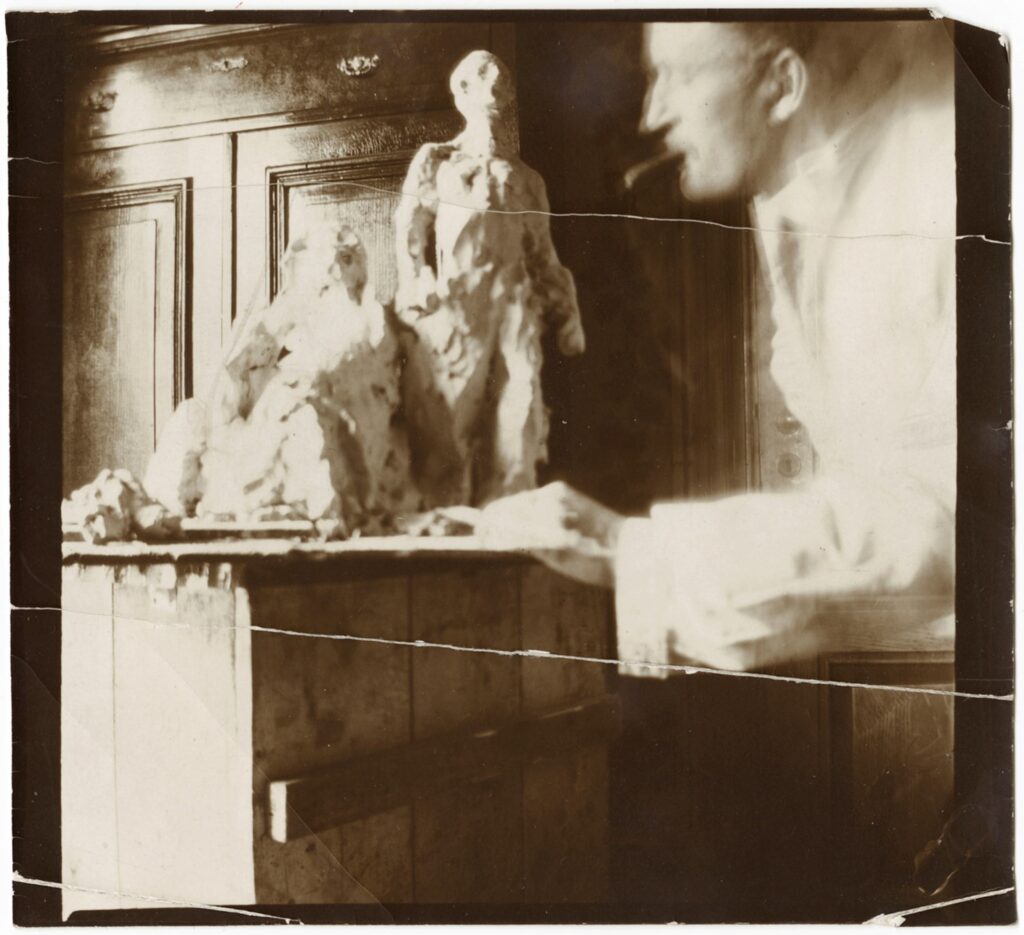
Courtesy of Munch Museum
From an early age, Munch experienced profound personal loss. His mother and one of his sisters died from tuberculosis, while another sister developed severe mental illness at a young age. Reflecting on these experiences, Munch wrote: “I inherited two of mankind’s most frightful enemies—the inheritance of consumption and insanity. Illness, madness and death were the black angels that stood by my cradle.”
These themes would remain at the heart of his work throughout his life.
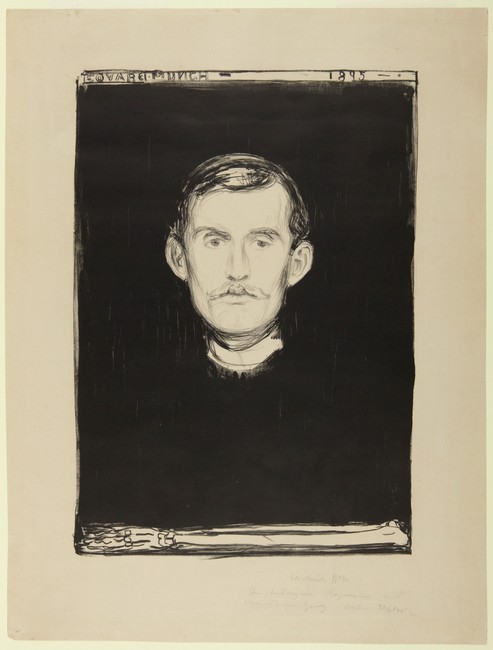
Edvard Munch, 1863–1944; born Loten, Norway; died Oslo, Norway
Published by M. W. Lassally, German, active early 20th century
Lithograph
Searching for His Own Artistic Language
Munch began his career as a realist and naturalist before briefly embracing Impressionism. His father, however, strongly opposed his decision to become an artist, considering painting an “ungodly” profession. Historical records suggest that his father destroyed at least one of his paintings and refused to provide him with money or art supplies. He also disapproved of Munch’s social circle.
Munch himself believed the opposite. He often acknowledged the influence of the bohemian community around him, particularly the writer Hans Jæger, whose ideas helped shape his artistic identity. As Munch later explained: “My ideas developed under the influence of the Bohemians—or rather Hans Jæger—not under Strindberg or the Germans, as many have claimed. By then, my ideas had already been formed.”
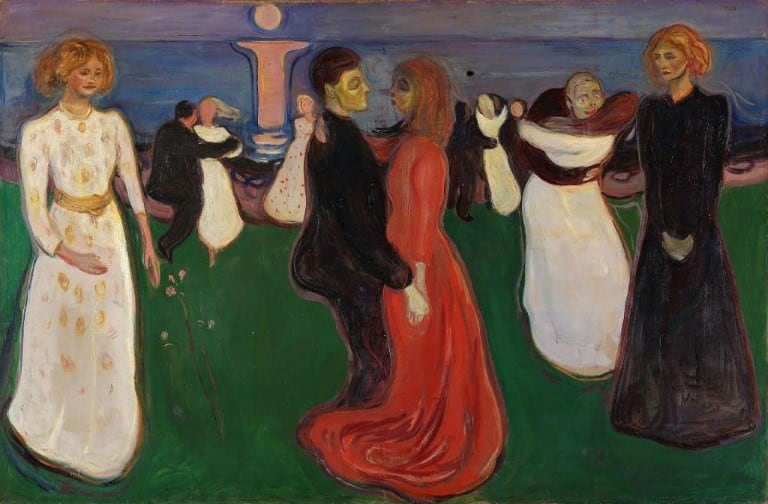
The First “Painting of the Soul” One of the defining moments of Munch’s career came with The Sick Child (1886), inspired by the death of his sister. He described it as his first “painting of the soul.”
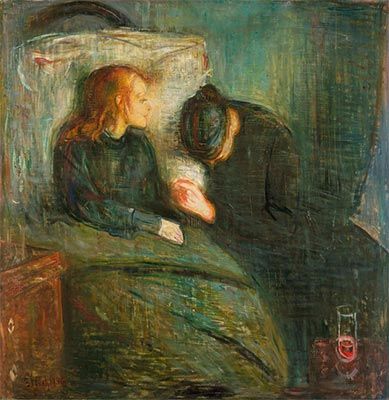
The work marked a decisive break from Impressionism and signaled the beginning of a deeply personal artistic language. Throughout the 1880s and early 1890s, Munch experimented with different techniques, brushstrokes, and styles, searching for a visual language capable of expressing emotional rather than physical reality.
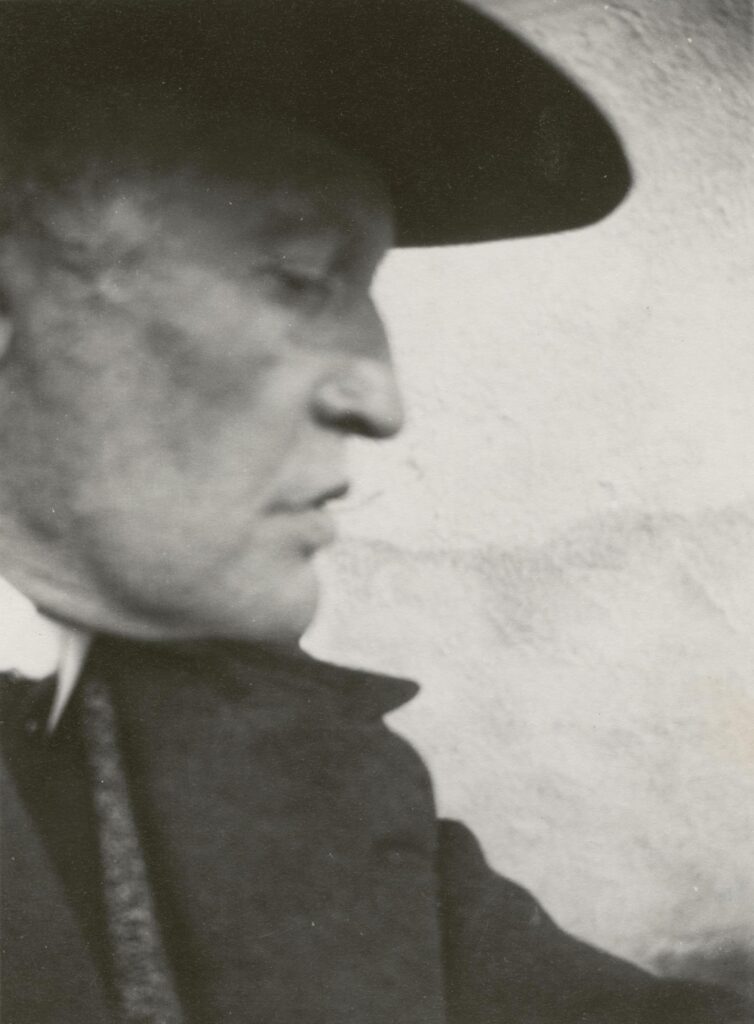
The First Great Explorer of the Self
Among the most fascinating aspects of Munch’s career are his more than 80 painted self-portraits, together with an extensive series of self-photographs. Long before the age of smartphones, Munch repeatedly turned the camera—and the paintbrush—toward himself, not out of vanity, but as a way of exploring the human mind. He once wrote: “My art is a form of self-confession. Through it, I seek to clarify my relationship with the world.” Whether working with paint, lithography, drawing, or photography, Munch transformed his own emotions into universal experiences.
He was not the first artist to search for the human soul through art—but he was among the first to openly reveal the results of that search.
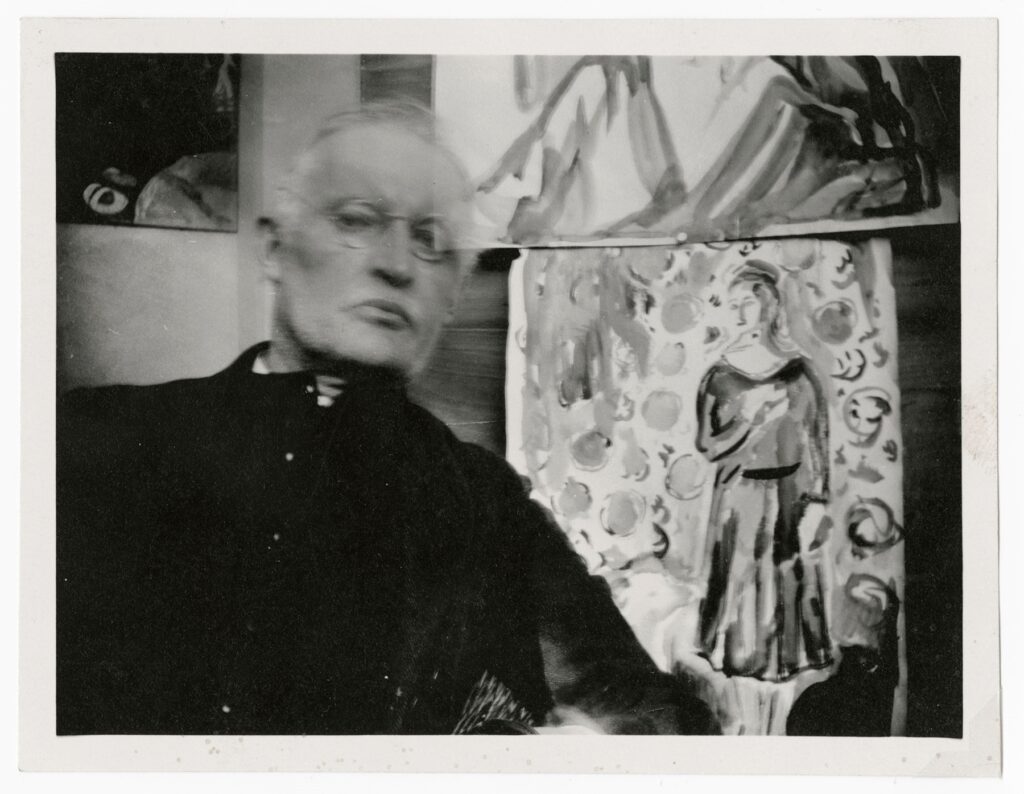
Courtesy of Munch Museum
Life, Death, and Everything Between
Munch’s years included periods of psychological struggle, including treatment at a psychiatric clinic in Copenhagen, where remarkable photographic portraits of him survive.
His famous lithographic series Alpha and Omega explored love, desire, and human relationships, while much of his broader oeuvre balanced emotional portraiture with landscapes inspired by nature and rural life.
Roughly half of his work focuses on people and emotional experience; the other half celebrates landscapes, nature, and the rhythms of everyday life.
Together, these subjects reveal Munch’s lifelong attempt to understand the full cycle of human existence.
One of his final self-portraits—showing the artist standing between a bed and a clock—has often been interpreted as a quiet meditation on mortality. Edvard Munch died on 23 January 1944 at his home in Ekely, just outside Oslo.
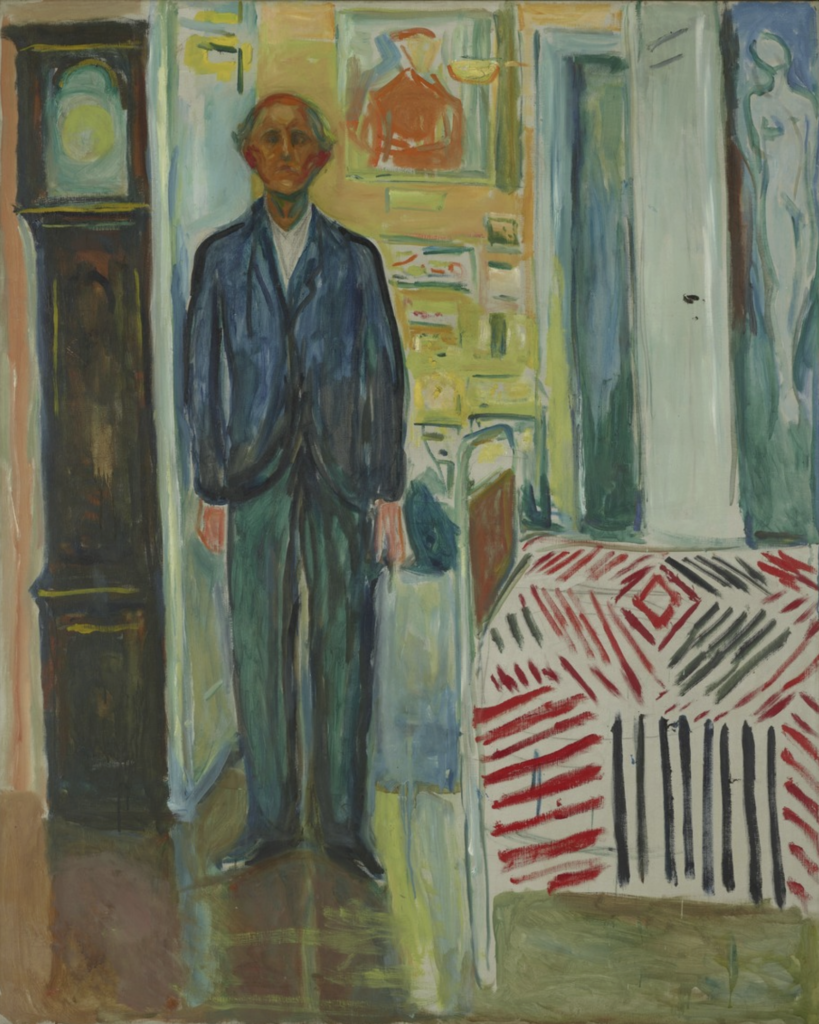
Nineteen years later, the Munch Museum opened its doors, dedicated entirely to preserving his life and artistic legacy. A Lasting Legacy Many great artists spend their lives exploring the journey between birth and death. For Edvard Munch, that journey became the central subject of his art. Through his paintings, prints, and photographs, he celebrated the complexity of the human spirit, the fragility of life, and the profound connection between the individual and the world around us. His work reminds us that art is not simply about what we see it is about what we feel.
Rima Lyma

Sianti Gallery
At Sianti Gallery, we are inspired by artists who transform personal experience into universal expression.
Edvard Munch reminds us that some of the most powerful works of art are those that dare to confront fear, memory, love, loss, and the complexity of the human soul.
- SHARE