Piet Mondrian | From Landscape to Absolute Balance
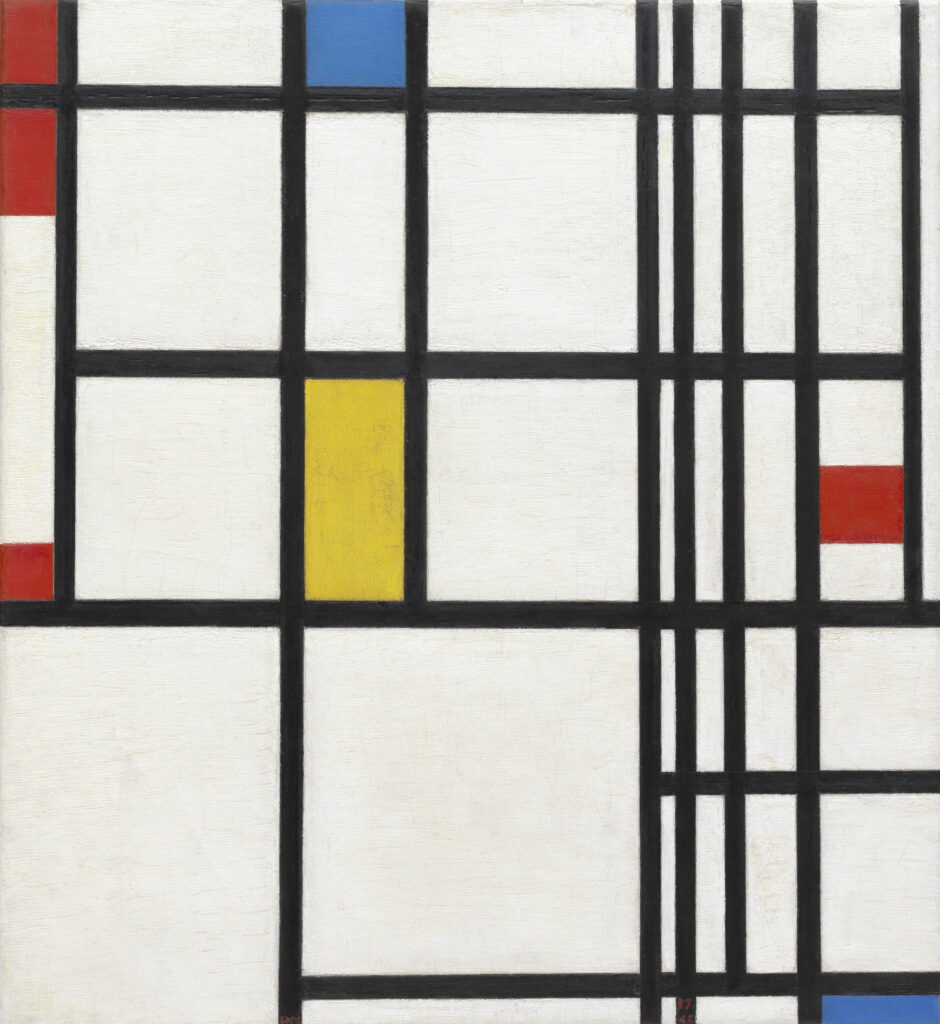
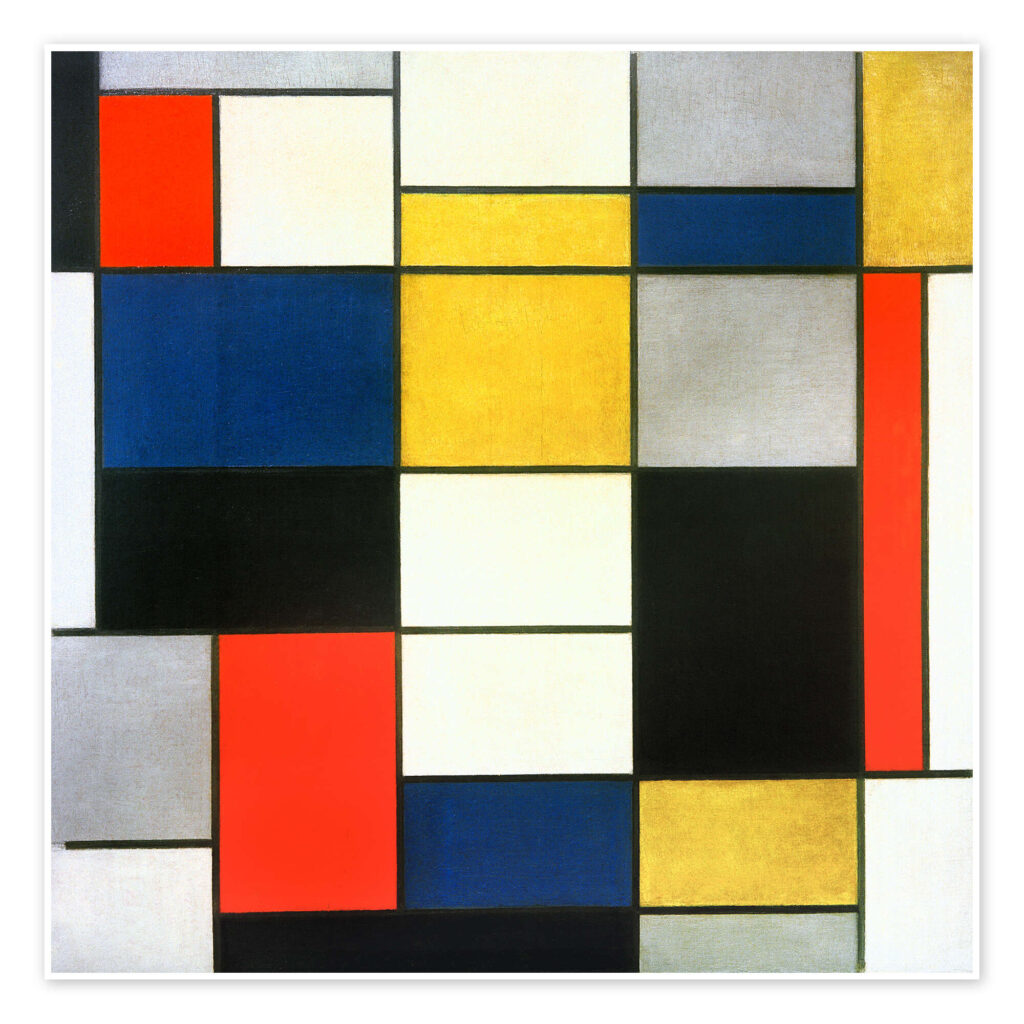
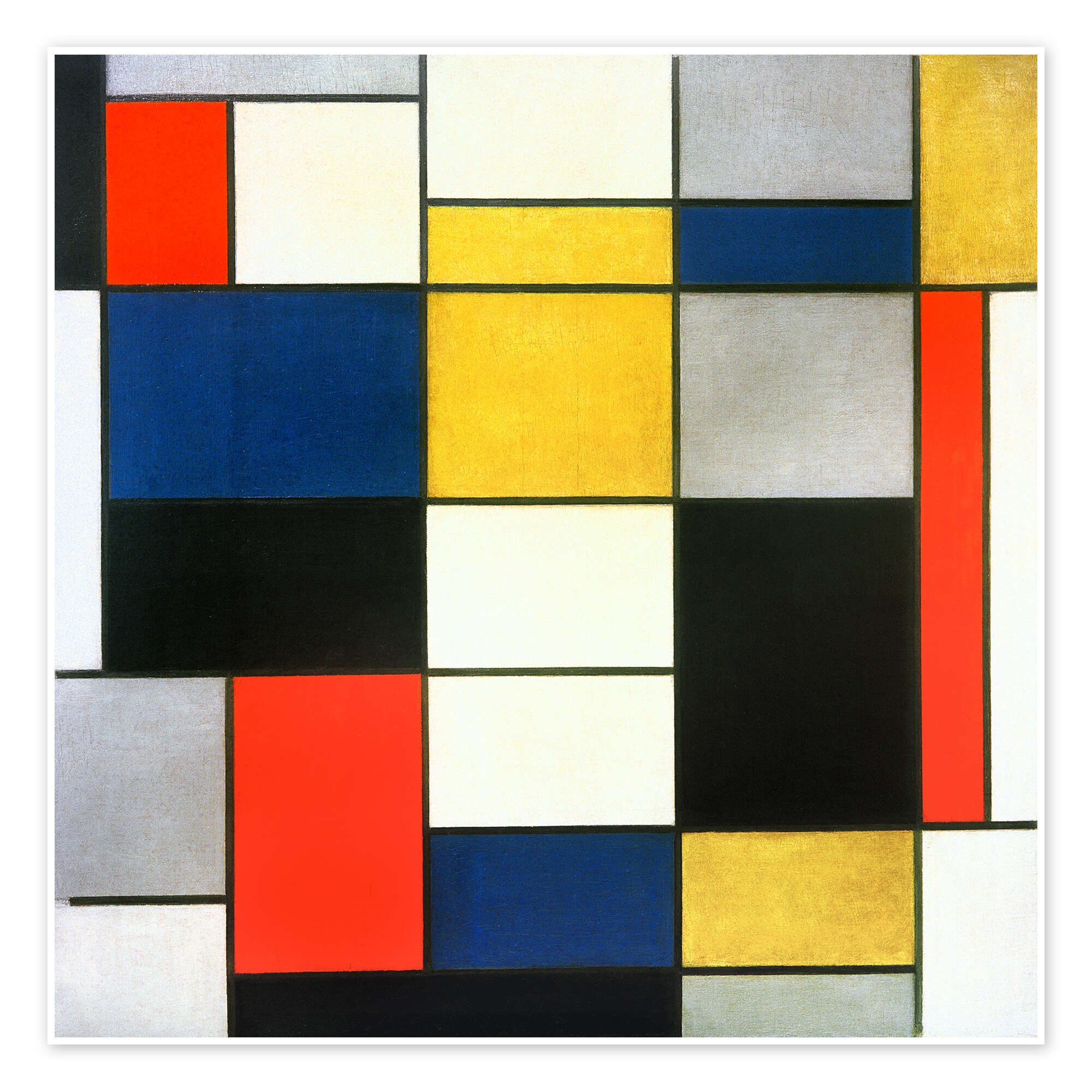
When we think of Piet Mondrian, we immediately picture black vertical and horizontal lines, white planes, and bold red, blue, and yellow squares—the image of pure geometric harmony. And yet, Mondrian did not begin there.
The Beginning: Landscape
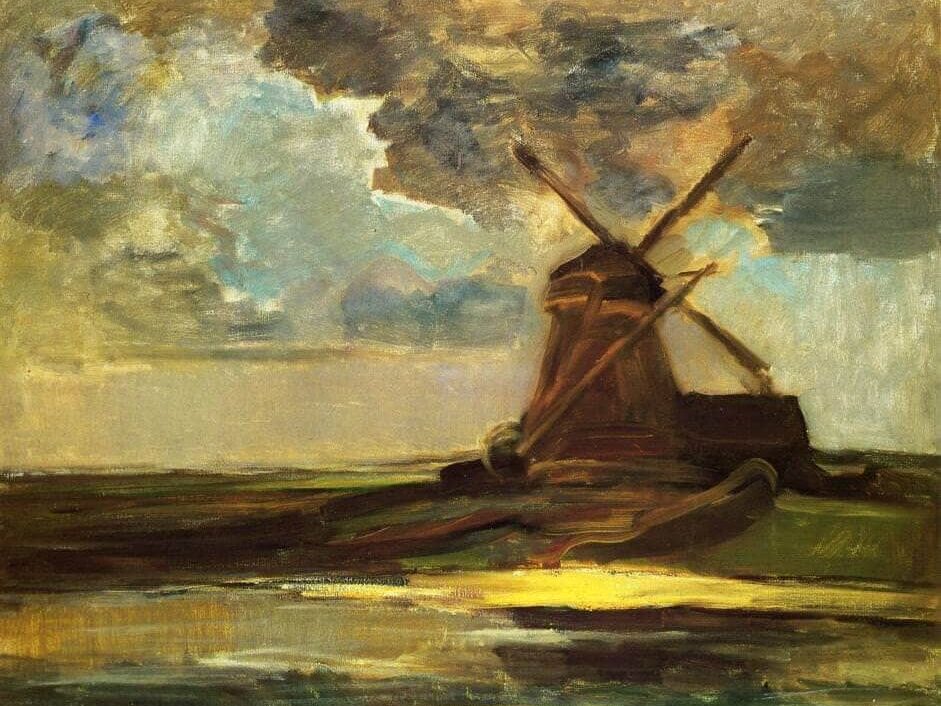
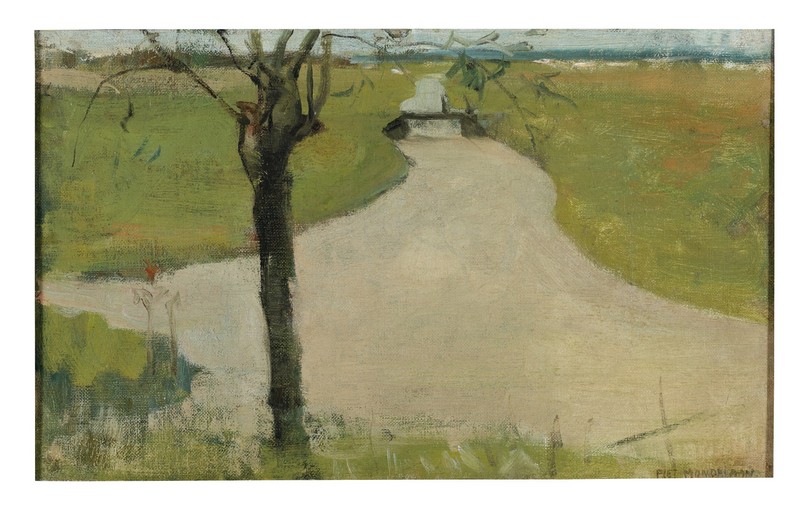
In his early years, Mondrian painted landscapes: trees, windmills, and the quiet Dutch countryside. Visible forms, natural light, and earthy tones dominated his work. But even then, he was searching for something deeper—not the appearance of nature, but its underlying structure. Gradually, his trees became simplified. Branches turned into lines. Trunks became axes. Form dissolved—not to disappear, but to reveal the hidden order beneath. What fascinated Mondrian was not the landscape as an image, but the landscape as a system of balance.
The Journey Toward Abstraction
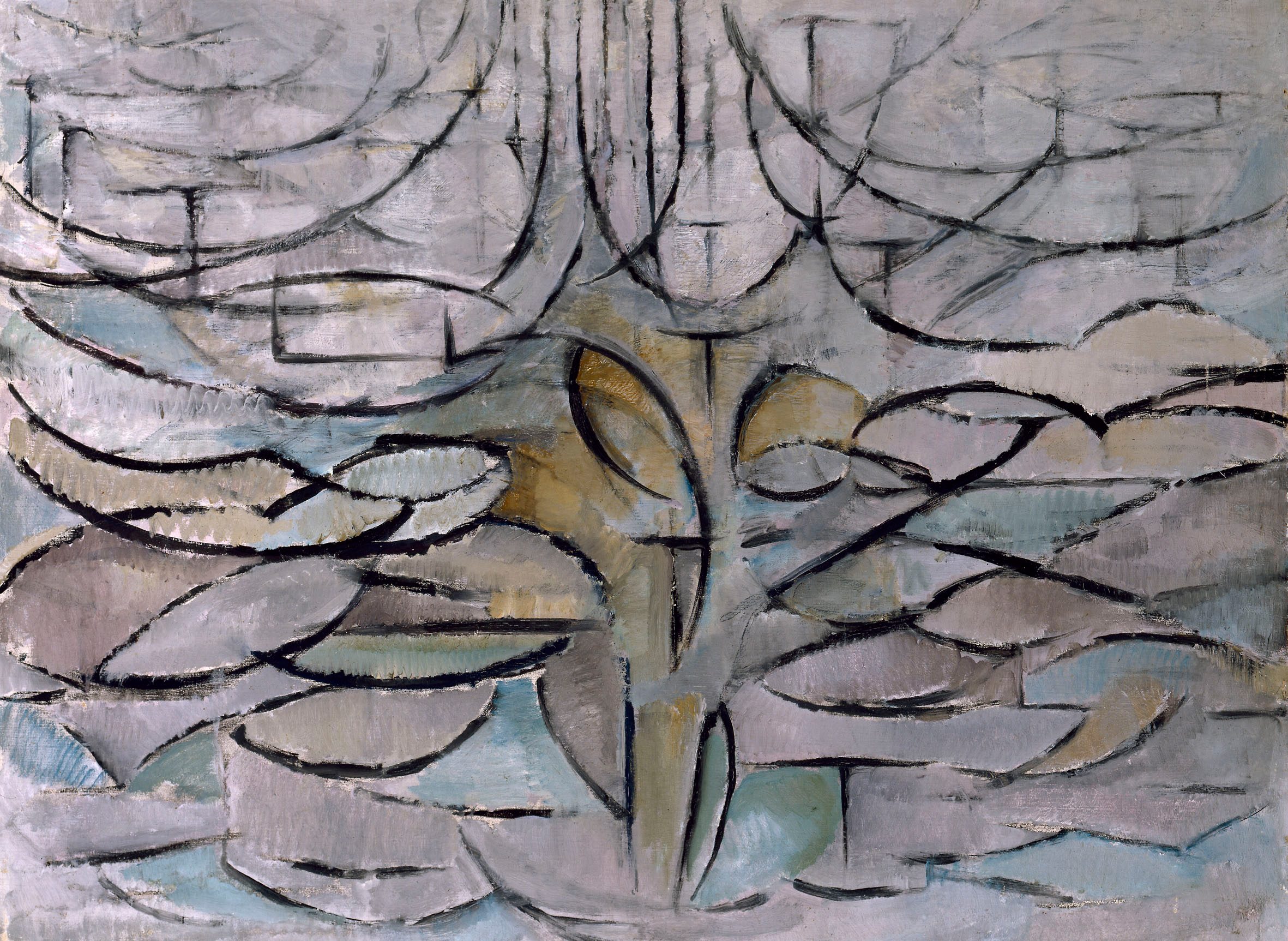
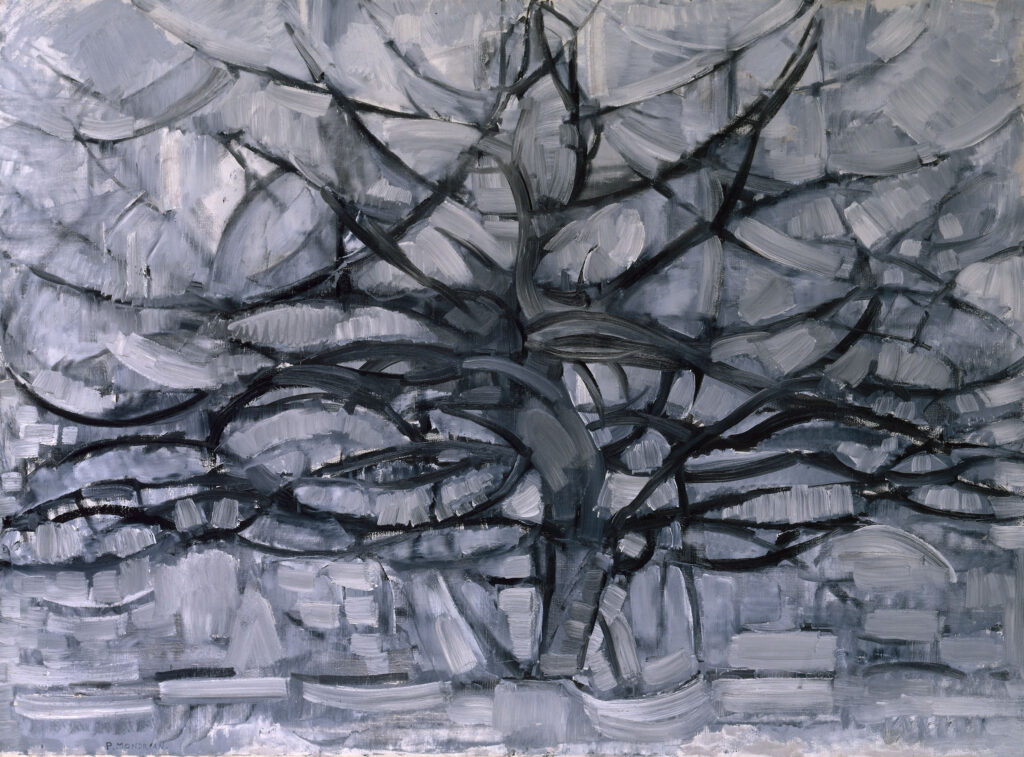
Mondrian’s path to abstraction was never a rejection of reality. It was a gradual process of eliminating everything unnecessary until only the essence remained: the vertical and the horizontal. Tension and balance. Contrast and harmony. In the early twentieth century, as Europe underwent profound social and political change, Mondrian sought a universal and timeless visual language. He believed that art could express a higher, universal order. His geometry was never merely decorative. It was a philosophical position. Every line had a purpose. Every colour existed in relation to the others. Nothing was accidental.
New York and Rhythm
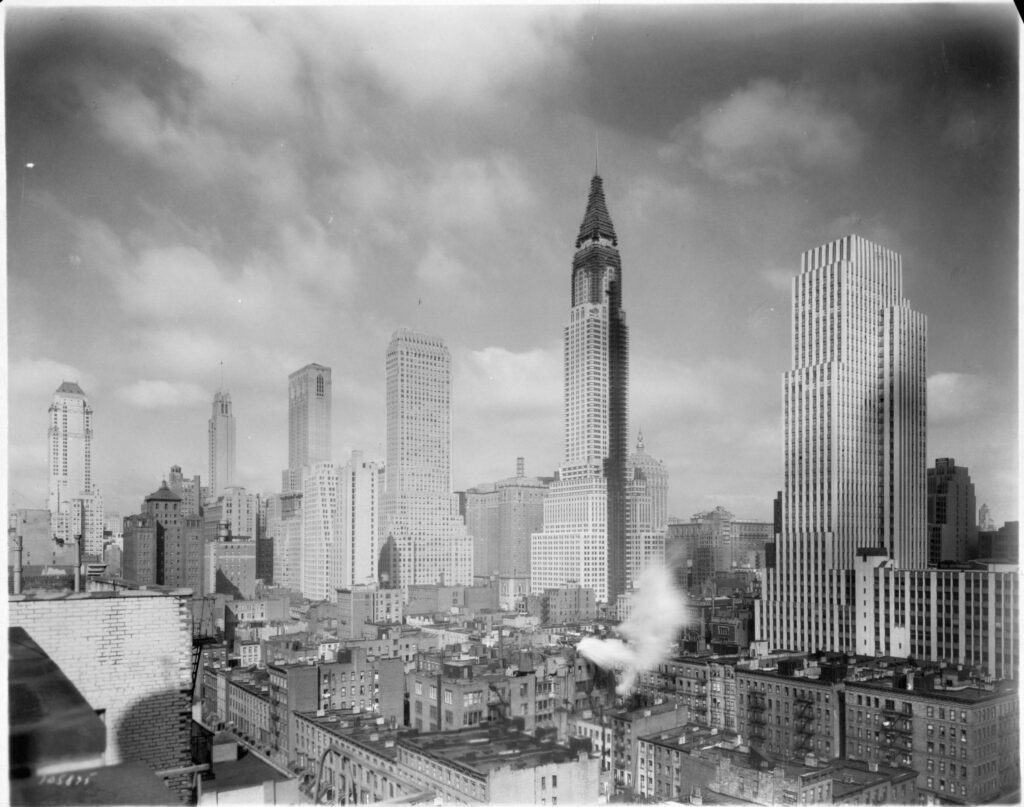
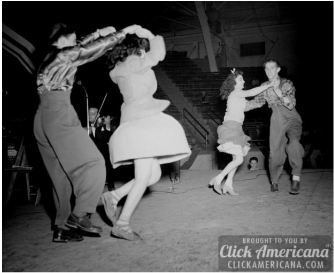
In 1938, Mondrian left Europe and eventually settled in New York. There, the city’s energy, the grid of its streets, and the rhythms of jazz and boogie-woogie profoundly influenced his work.
His masterpiece Broadway Boogie Woogie translates the pulse of the metropolis into geometric rhythm. The discipline of his compositions remains, yet they become vibrant and dynamic.
A Lasting Legacy
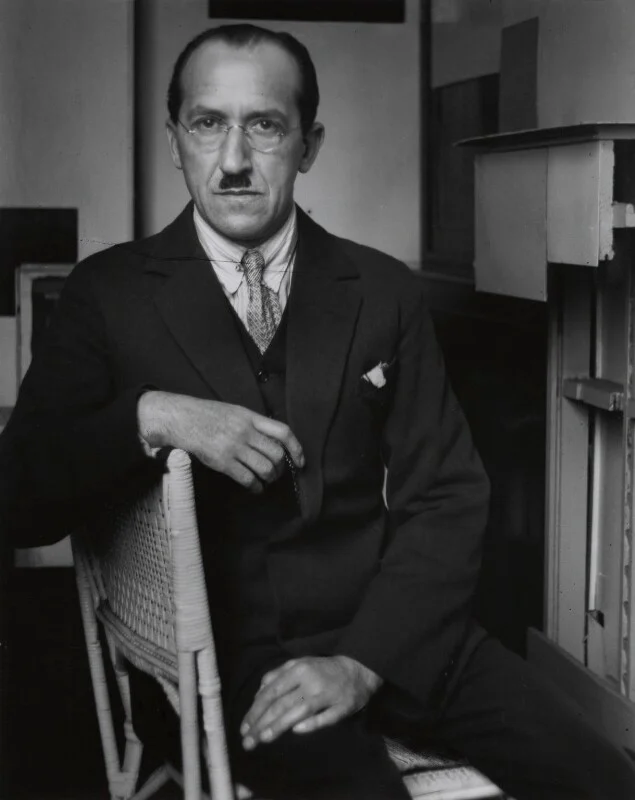
Piet Mondrian died in New York in 1944. From the Dutch landscape to the strict geometric compositions of De Stijl, he never truly abandoned nature. Instead, he translated it into rhythm and structure. He removed the unnecessary to reach the essential. He simplified in order to reveal balance. And through nothing more than a few lines and three primary colours, he succeeded in expressing something far greater: humanity’s enduring search for order within chaos.
Sianti Gallery
Sianti Gallery
At Sianti Gallery, we are drawn to art that seeks essence and structure—art that does more than represent the world; it reinterprets it.
Mondrian reminds us that balance is never something we simply find. It is something we consciously create.
- SHARE